
Healthcare Certifications
Find industry-recognized healthcare certification programs to qualify for in-demand roles, advance your career, and increase your earning potential across nursing, medical imaging, allied health, billing & coding, and related healthcare fields.
That outlook supports credentials tied to patient care, allied health,
medical coding, health information, privacy and security, quality, and
healthcare administration.
Source: BLS
Pursuing roles in patient care, clinical operations, healthcare administration, and medical support services.
Learn how certifications support healthcare careers →Discover certifications that match your career goals and experience.

How Healthcare Certifications Support Career Growth
Healthcare Certifications help professionals build employer-recognized skills for careers in patient care, allied health, medical assisting, medical coding, health information management, healthcare quality, privacy and security, pharmacy support, and healthcare administration. Whether you are entering healthcare, changing careers, or advancing into a more specialized role, healthcare certification programs can strengthen job readiness, support career advancement, and align your qualifications with in-demand healthcare needs.
Why Healthcare Certifications matter to employers
Healthcare employers often hire for roles where accuracy, patient safety, documentation, communication, privacy, and compliance are critical. Healthcare Certifications help validate practical knowledge, demonstrate readiness for clinical or non-clinical healthcare environments, and show that a candidate understands the responsibilities tied to patient care, medical support, health information, and healthcare operations.
In competitive hiring markets, these certifications can strengthen credibility for candidates pursuing roles in medical assisting, medical coding, health information, allied health, pharmacy support, healthcare quality, patient support, and healthcare administration. For many employers, certifications signal initiative, job readiness, and stronger alignment with healthcare workplace expectations.
Discover certifications that match your career goals and experience.
What careers can Healthcare Certifications support?
Healthcare certification programs vary by specialization, but many align with career paths connected to patient care, clinical support, medical coding, health information, pharmacy support, healthcare quality, privacy and security, and healthcare administration. The best fit depends on the credential, your background, and the type of healthcare career you want to pursue.
Patient care, clinical support, and medical assisting roles
Allied health, nursing support, and care coordination careers
Medical coding, billing, documentation, and revenue-cycle careers
Health information, data analytics, and healthcare systems roles
Healthcare privacy, security, compliance, and quality careers
Pharmacy support, healthcare administration, and operations roles
Core skills employers expect in healthcare careers
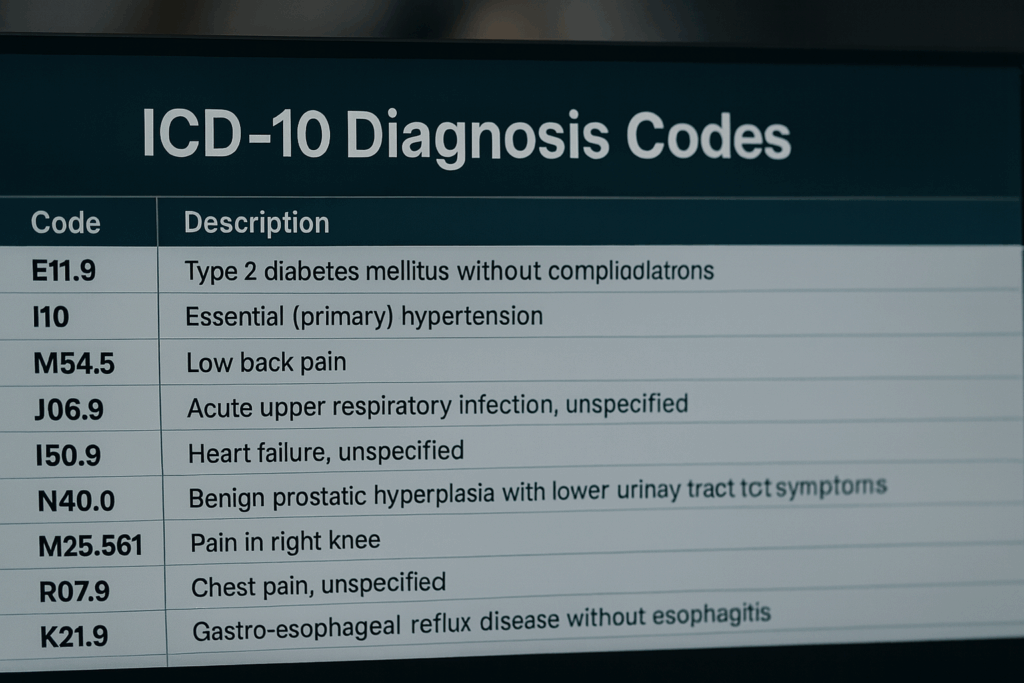
Depending on the certification, healthcare training may emphasize patient interaction, safety procedures, documentation accuracy, medical terminology, privacy requirements, ethical standards, care-team communication, electronic health records, billing and coding workflows, quality improvement, and regulated healthcare operations. These are the types of skills employers often look for when hiring for roles tied to clinical care, medical support, and healthcare administration.
As healthcare organizations continue expanding services, improving care coordination, and relying on accurate health data, professionals with employer-recognized healthcare certifications can be better positioned to compete for opportunities across hospitals, clinics, physician practices, insurance organizations, long-term care settings, and outpatient services.
Popular healthcare career interests
Why the field and certifications are attractive
Healthcare careers support patient care, medical services, clinical operations, and administrative functions that communities and employers rely on every day.
Healthcare Certifications can help signal job readiness for roles where accuracy, compliance, communication, and practical healthcare knowledge matter.
The right credential may support movement into patient care, medical support, coding, health information, quality, administration, or specialized healthcare career paths.
Career demand, occupational outlook, and compensation data can be cross-referenced with resources such as the U.S. Bureau of Labor Statistics and employer job postings.
Compare Healthcare Certifications that align with your goals
Whether you are researching medical coding certifications, medical assistant certifications, health information credentials, healthcare quality certifications, privacy and security credentials, pharmacy support certifications, or broader healthcare certification programs, the right option can help you build employer-trusted skills aligned with real healthcare demand. Explore healthcare certifications to compare programs by specialization, career level, provider, and roles each credential commonly supports.
Explore other leading certifications
Healthcare certifications blog
Explore healthcare certification guides, credential requirements, employer demand, and career paths across clinical, administrative, health IT, and support roles.
Top Advanced Healthcare Certifications
Discover the top advanced healthcare certifications, including RN, NP, PA-C, and Certified Registered Nurse Anesthetist that open doors to leadership and higher...
Mid-Level Healthcare Certifications to Advance Your Career
Discover the top mid-level healthcare certifications, including ARRT® Radiography, LPN/LVN, CST®, and CET. Build a stable, higher-paying career in 12–24 months.
Entry-Level Healthcare Certifications to Start Your Career
Entry-level healthcare certifications like CNA, CPhT, CMA, and CET provide fast, affordable pathways into stable healthcare careers. Explore requirements, training, and official...
Get updates
New programs, trending credentials, job alerts and hiring demand for the industries you choose.